

black bathroom mirror led
Precision Measuring Tools A Cornerstone of Accuracy in Various Industries In a wide array of industries, precision measuring tools serve as the backbone of operational accuracy and quality control . Whether in manufacturing, engineering, construction, or scientific research, the need for precise measurements cannot be overstated. These tools ensure that products meet regulations, operate effectively, and maintain safety standards. Precision measuring tools encompass a variety of instruments designed to provide exact measurements of dimensions, weight, temperature, and other metrics. Common examples include calipers, micrometers, gauge blocks, and laser measuring devices. Each tool is engineered for specific applications, making it crucial for professionals to select the right instrument for their particular needs. One of the most widely used tools is the caliper, which allows for both internal and external measurements with remarkable accuracy. Digital calipers have further enhanced usability by providing easy-to-read measurements on a digital display. These tools are particularly valuable in manufacturing where tight tolerances are critical to ensure that parts fit together properly. precision measuring tools Micrometers, on the other hand, are designed for even more precise measurements typically in the range of millimeters or inches. Known for their ability to measure small dimensions with exceptional accuracy, micrometers are indispensable in quality control processes within production lines. Laser measuring devices have revolutionized the field of measurement in recent years. By utilizing laser technology, these tools achieve distance measurements with a high degree of accuracy and speed, making them ideal for construction and surveying applications. No longer constrained by the limitations of traditional tape measures, professionals can now quickly gather data in large areas, significantly improving workflow efficiency. Quality management is another area that heavily relies on precision measuring tools. Accurate measurements are vital for adherence to quality standards, ensuring that products function as intended and meet customer expectations. Regular calibration of measuring tools is essential to maintain their accuracy, and thus, many organizations invest significantly in training and equipment maintenance. In conclusion, precision measuring tools are fundamental to achieving accuracy in various fields. Their role in ensuring quality, safety, and efficiency cannot be underestimated, and as technology evolves, these tools will continue to adapt, providing enhanced capabilities to meet the demands of an increasingly precise world.
about
black bathroom mirror led
The Price of Micrometers A Cost Analysis for 25mm and 50mm Models Micrometers are essential precision measuring instruments used across various fields, including engineering, manufacturing, and science. They allow for highly accurate measurement of small dimensions, and their importance cannot be overstated. This article will dive into the pricing dynamics of micrometers, specifically focusing on 25mm and 50mm models, and explore the factors that contribute to their costs. Understanding Micrometer Basics Before delving into pricing, it’s important to understand what a micrometer is. A micrometer typically consists of a C-shaped frame, a turning screw, and a measuring scale. When the screw is turned, it moves a spindle toward a base, allowing for precise measurement of objects. The most common types of micrometers are outside micrometers, inside micrometers, and depth micrometers, with each serving specific measurement needs. Price Range for 25mm and 50mm Micrometers The price of micrometers can vary widely based on several factors, including brand, material, accuracy, and additional features. Generally, you can find basic models of 25mm and 50mm micrometers in the price range of $20 to $100. High-end or digital models can cost anywhere from $100 to over $500. For example, a basic mechanical 25mm micrometer made from high-quality steel might be available for around $25, while the same model with a digital readout feature could retail for closer to $75. On the other hand, a high-accuracy 50mm micrometer, intended for professional use in demanding environments, could exceed $150 when incorporating special materials and advanced technology. Factors Influencing Pricing 1. Material Quality The materials used in the construction of micrometers significantly affect their price. Models made from durable steel or carbon fiber typically command higher prices due to their longevity and precision. micrometer 25 50mm price 2. Mechanism Type Mechanical micrometers are often less expensive than digital micrometers. Digital models provide ease of reading and data transmission capabilities, which justify their higher cost. 3. Calibration and Accuracy Some micrometers come pre-calibrated and offer superior accuracy levels. This attention to detail may increase the price, especially for micrometers used in highly precise applications like aerospace or automotive industries. 4. Brand Reputation Established brands with a reputation for quality will often charge more for their products. However, investing in a reputable brand can lead to higher reliability and better customer service in the long run. 5. Additional Features Micrometers equipped with additional features, such as data output options, locking mechanisms, or interchangeable anvils, usually have a higher price point due to their added functionality. Where to Buy Micrometers Micrometers can be purchased from a variety of sources. Local hardware stores often stock basic models, while specialized tool suppliers or online platforms like Amazon or eBay provide a broader selection. When purchasing online, customers should consider shipping costs, return policies, and warranties, which can vary significantly between sellers. For those seeking high-accuracy instruments, it may also be worth considering purchasing from manufacturers or specialty retailers who offer calibration services. This ensures you receive a tool that meets your specific accuracy requirements. Conclusion The cost of micrometers, particularly the 25mm and 50mm models, reflects a balance of quality, accuracy, and features. While it is possible to find budget-friendly options, investing in a higher-quality micrometer can lead to better performance and longevity, making it a worthwhile consideration for professionals and hobbyists alike. Understanding the factors influencing micrometer pricing can aid in making an informed choice that aligns with both budgetary constraints and measurement needs. Ultimately, whether you are measuring the thickness of a wire or the diameter of a machine part, a reliable micrometer is an invaluable tool in achieving precision in your work.
-

High quality industrial productsagement

High quality industrial products
View Details -

Meet the diverse needs of customers

Meet the diverse needs of customers
View Details -

Strict quality control

Strict quality control
View Details -

Top raw materials

Top raw materials
View Details -

Trusted supplier

Trusted supplier
View Details
Our application
news and information
Versatile Six-Sided Aluminum Alloy Angle Measuring Tool for Precision Measurement and Layout Tasks
Understanding the Six-Sided Aluminum Alloy Angle Measuring Tool In the realm of precision engineerin

Using a Level Ruler for Accurate Measurements and Alignment in DIY Projects
The Importance of a Spirit Level Ruler in Construction and DIY Projects A spirit level ruler is an i

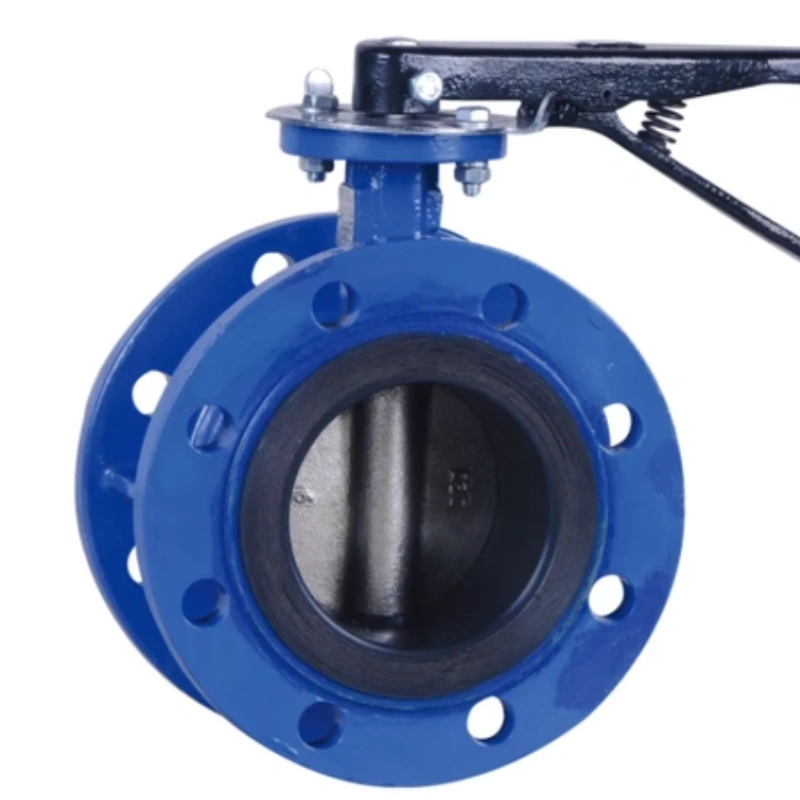
Válvula borboleta elétrica 12V para controle de fluxo em sistemas industriais
Válvula Borboleta de 12V Eficiência e Versatilidade em Sistemas Hidráulicos A válvula borboleta é um
 English